I'm Julie, and I live Australian suburbia. This blog is the online journal I kept to record my family's journey towards living more simply & sustainably.

This blog is on indefinite hiatus but feel free to look around my archives for some inspiration in your own journey to living more lightly and sustainably. Please note that Blogger has 'eaten' some of my older photos which I am unable to retrieve at the moment.

I am now blogging at Our Simple Days, if you would like to stop by.


Monday, June 23, 2008

Harvest: Yacon and Ginger

Yesterday we were blessed with a lovely sunny winter's day for a change, so I spent the day in the garden - and boy am I sore today! LOL. One of the first things I did was dig up the rest of the yacon plant to see what the whole harvest looked like.

Wow! I was impressed! Out an area the size of this (about 50cm across by 80cm deep):


I dug up this lot of tubers! There is probably about 8 kilos there (I must weigh them to get a more accurate count).


Not too shabby for the small area they occupied (a photo of them about half grown is below). Some of them were split unfortunately, I think this is a result of the rains we've had in the past couple of weeks as they weren't rotten? I'm not too concerned about those, as we will eat them straight away.

Anyway, they sweeten further upon storage apparently, and sitting them out in the sun for a couple of weeks will accelerate this process, so I loaded mine onto our old outdoor table to sit in the sun for a while (at least until it comes over cloudy and rainy again).


I had read that there are two types of tubers, the fat brown ones that you eat, and the small reddish ones that are actually rhizomes from which the plants re-grow. It was very obvious which was which when I dug the plant up, as you can see below:


These will be stored in a box in the garage, wrapped in damp coconut fibre to prevent them from drying out, ready to be planted out again in spring.

The next thing I did yesterday was to harvest the ginger. Look at this lot:


Not bad, huh? Looking back at my notes, I planted out six tubers last spring, three each into two garden beds this size:


This one was located mostly in the shade, the other in much more sun, so that I could compare how they did in each. They both did equally well I have to say, so I was pretty happy with that, since I can now use the sunnier bed for other vegies and keep the ginger in the shadier areas of the garden in future (sunny areas are at a premium in my small yard).

Most of the tubers are huge. Look at this one, for example:


Once I'd taken the stems off, I could barely fit my bounty into my harvest basket:


Some of this will be going into stir frys with the water chestnuts (and other veg) I dug up previously. Most of the rest will be lightly cooked, sliced and dried in the dehydrator, and then ground and put into storage for use in making our favourite post-gardening beverage, ginger beer.

Combined with all the other gardening stuff I got done, it was not a bad day really ;-)

20 comments:

lightening said...

What a fabulous harvest!!! Go you!!! :) I imagine it is very satisfying indeed.

Anonymous said...

I was having a read of your post on cling wraps etc. and you said that you can't dispose of baking paper/alfoil in the recycling bin because of the food contamination?? But what about the cans we throw in the recycling bins...no-one i know washes or rinses cans out before putting in the bin. ? Or do they?
Cheers
Bella

belinda said...

Wow that is impressive on the Yacon... I really think I am going to have to investigate that one further.

Kind Regards
Belinda

Kez said...

Fantastic harvest! You must be so impressed with that.

Crazy Mumma said...

Hi ladies, thanks! I was impressed too, LOL.

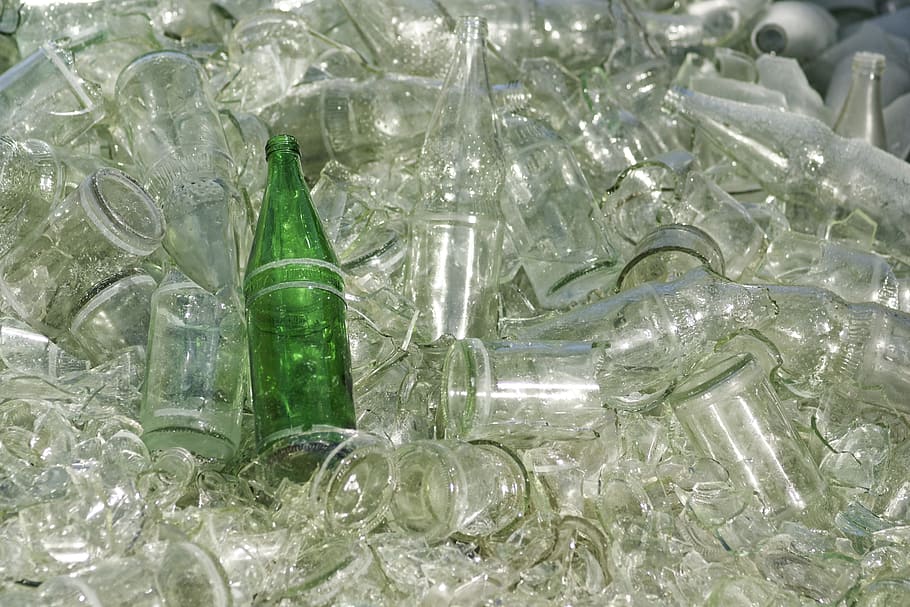
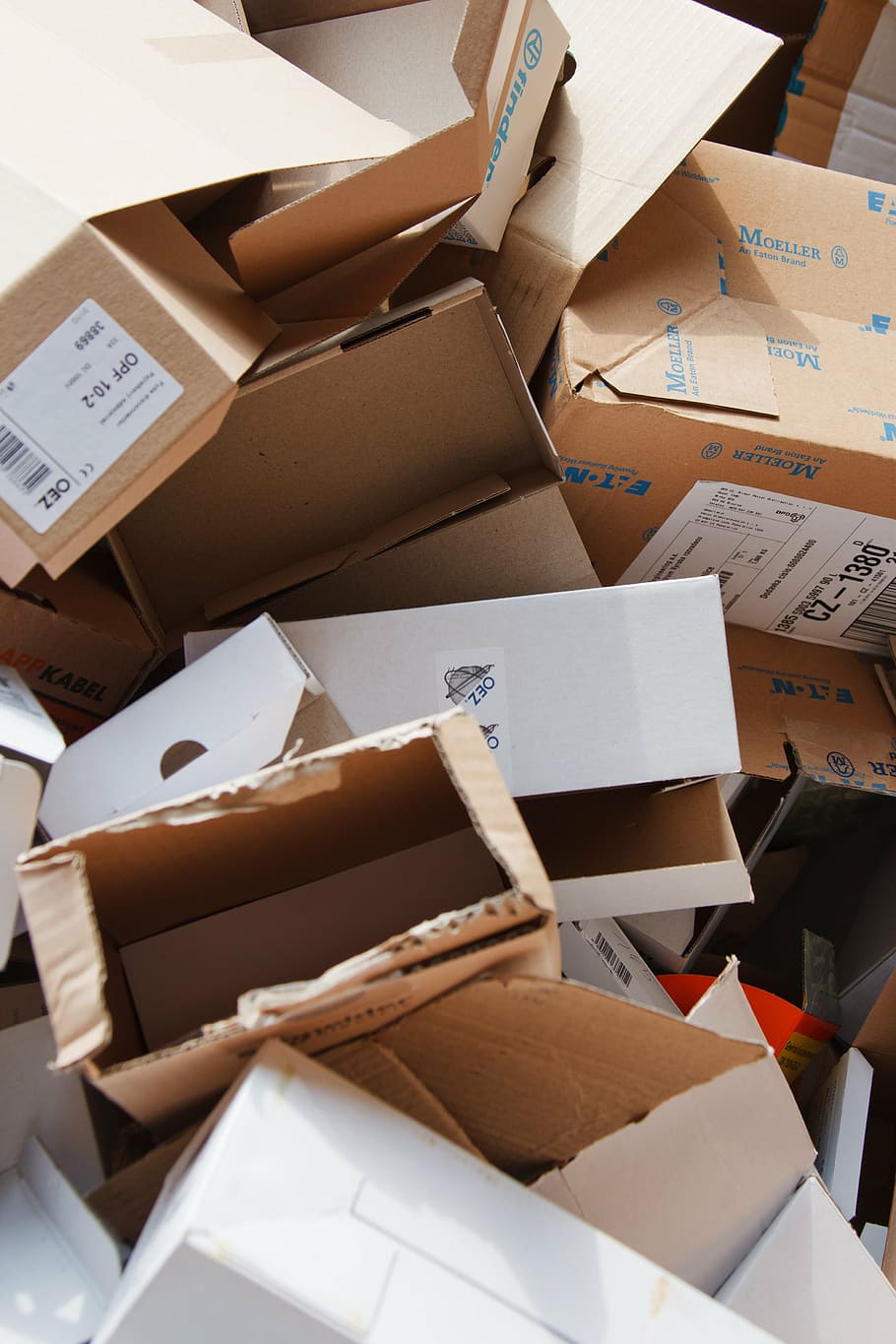
Bella, I have a friend who works at our local recycling centre, and entire loads of recycling (I'm talking the whole rubbish truck) are regularly discarded (i.e. sent to landfill) because of contamination, usually food, but it can be something like a used disposable nappy. The workers sort some of the recycling by hand (gloved hands of course) and quite rightly, won't expose themselves to goodness knows what in food containers that have been sitting around for weeks with bits of food still in them. The yellow stuff in the bottom of that lemonade bottle might not be lemonade, you know? Anything that still has a lid on it, like a metal lid on a glass jar, goes straight to landfill, and anything paper with food contamination - or *might* be contaminated with food like pizza boxes - goes straight to landfill.

I'm probably in the minority because I *do* always rinse out our containers; I always have my friend in mind when I think of a load of bottles and cans that have been sitting in a bin for a fortnight or more - gross! So much money and effort goes into our local recycling scheme and yet so much of it ends up at the tip anyway, I would hate to be the one responsible for sending a huge dump truck worth to landfill...

Cheers, Julie

Gavin said...

Julie, what a bountiful harvest. I am envious. And all that ginger beer, what a feeling that you grew the ingredients yourself. Satisfaction in every glass!

Gav

Debbie said...

Hi Julie
What a wonderful harvest, I think I will look at growing some yacon and the ginger was very impressive. Well done
Debbie

Em said...

Wow!! Thankyou for posting this Julie - I've been wanting to try yacon and will def give it a go now :D The ginger looks fab too, we used to grow it in the tropics and fresh ginger is delicious :)

Thanks for the info on recycling above - I'd love a post on that if you're interested b/c I try to follow the recycling guide but didn't know how serious the contamination issue could be... and some ppl are amazing with what they put in recycling - last time we moved house the previous tenants left an overflowing r/c bin for us to put out; it was stuffed with flyblown rotten food, urgh.

Anonymous said...

Thanks for your response Julie. I too always washed out things before putting in the recycling bin until my water consciousness just couldn't do it anymore..and because it seemed I was in the minority...with most saying "you don't need to rinse cans etc"....I thing I will just keep to my preference not to consume at all and to do my own recycling!! I'm also conflicted by the corporatisation of recycling and know Australia sends some of its recycled waste to Indian factories where they are responsible for heavy pollution....
cheers Bella

The Tin House said...

bloody amazing! Well done! A tip: you can also successfully freeze fresh ginger - and use it later for stir fries etc just as you would fresh. I just throw mine in a plastic bag and into the freezer. It stops it from dehydrating in the crisper.
Bella: we rinse all our recycling items before binning them. You're also supposed to remove the lids from glass containers etc
Lisa x

Tracy said...

Great harvest, my mouth is watering over the ginger.

Kate said...

Crazy mumma, this is a crazy harvest indeed! Do you live in northern NSW? I don't think ginger would be any good here in the Adelaide hills. I have never seen anyone even grow it on the plains.

Great info on the yacon and very timely as I have wondering if I should dig mine up or what to do, so thanks.

I didn't know about this blog - I have only read snippets from your other garden blog. I got here via Gavin's. I will be back!

han_ysic said...

Wow,
Did you buy ginger specially for planting or just use supermarket variety?

Crazy Mumma said...

Hi Gavin, thanks - and yep, I reckon having grown the ginger for our ginger beer will make it taste even better ;-)

Hi Debbie, thanks! How far away are you from me (in Newcastle)? I could share my yacon rhizomes with you? That goes for you too Kez!

Hi Em, If you like, I will dig out some great links to information about recycling and post it on the weekend, along with some info about what I'm doing in that area.

Hi Bella, Yes I know exactly what you mean about sending recyclable materials overseas. I think the best course of action is to try to bring as little plastic into our lives as possible in the first place (a hard thing to do!).

Oh excellent Lisa, thanks for the tip about freezing ginger! That's great, will definitely be freezing some now too :-)

Hi Tracy, thanks :-)

Hi Kate :-) How did you go with your yacon? Did you like it?

Hi Han, Yes, I just planted ginger rhizomes that I bought from my local organic grocer. They grew really well, as you can see! I planted them in spring; I buried them about 2 inches deep in nice fertile, friable soil.

Cheers, Julie

Frank said...

The split tubers are quite normal, over here (Belgium) I get harvests up to 20 kgs. each plant, and always get some big split roots. It's just because they are so brittle. The best way to preserve them is to dig out the plant as a whole (it can be quite heavy) and keep it in a big box or tub or....If you are interested I made a bigger sort of manual for the yacon,just ask,
Frank

Crazy Mumma said...

Hi Frank,

Oh great, thanks for the tips! I'd love to have a read of your yacon manual if you are interested in sharing it? Thanks :-)

Cheers, Julie

Frank said...

OK, here we go, it's a bit long and it's written for growing in a West-European climate, which comes closer to the original yacon climate (compared to the drier and warmer Australian circumstances):
Yacon is a tender perennial plant, but is grown as an annual in climates with winter frosts. They produce a very big rootstock, consisting of two types of tubers: root tubers are big and crunchy , they are the ones that are eaten. The other, small tubers, are stem tubers, and grow near or even on the stalk.
These sometimes tiny stem tubers are the ones being used for replanting. They can be planted from the end of February in small pots, making sure they are in a frost-free place. They do not support any frost! The small pots can be placed on a windowsill, a greenhouse, or anything similar. They prefer a light spot and like to receive quite a bit of water, temperatures around 18-22 degrees Celsius suits them best, they don’t like very high temperatures (35+ degrees). The plants will grow steadily until they can be planted outside, in Western Europe this is usually the second half of May.
Planting can be done in any kind of soil, although, it seems they do want a little bit of organic matter when you have a sandy soil. I always grew them on a loam soil, I never added anything, but my ground is very rich. They take up a lot of space, give them about 90 cms. space . A sunny spot is preferred, although a little bit of shade doesn’t seem to harm the plants. It takes some time before they fill out this place, they should have done that by the end of August. I give them a sturdy support, this is certainly necessary in a windy spot. They can become very big: depending on the summer, I’ve had heights from 1,80 to 2,40 metres! The plants are happy in rainy summers, in dry summers they want a bit of extra water, or , better, cover the ground with hay or straw or…(be careful, however, some mice love to eat the tubers and are very happy under this protective cover).
Tuberisation normally begins by the end of August, the plants seem to speed up their growing by that time. Dig them up when the first frosts have struck (October, November or even later). Lift them carefully with a fork, the brittle tubers are very easily damaged (although I am fully aware of this, I always end up with some broken tubers).Do not divide or split the plants. I don’t remove the stems until they are lifted out of the ground, it’s easier to lift the plants. I lift the plants (they can be heavy, 20 kgs. is not really exceptional) and put them in a plastic or wooden box with some drainage holes in it, I don’t remove the ground between the tubers (‘my’ loam ground acts as some sort of a glue anyway), and carry the boxes to their conservation place, after cutting the stems to a height of about 10 cms. A good place for storing them is a potato cellar or anything similar, keep them frost-free!. The tubers become sweeter after storing, this can take up to three or four weeks,( I always place the broken tubers in the greenhouse, sun curing speeds up the sweetening process). Storage is much better when some sand or peat or even compost is put around the tubers, it’s in fact, some sort of replanting, you can also use very big plastic or stone tubs, or anything else that’s convenient. With this sand or peat cover, tubers can be stored until next summer. Because the sweetening process seems to go better without adding sand or anything else, I only add a potting medium after three or four weeks.
By the end of February you can cut the little stem tubers and plant them out…
I didn’t experience any specific diseases,only slugs and mice like the plants and/or tubers.
Tubers are peeled and eaten raw or cooked, I prefer them raw, but they are a very good additive to spaghetti sauce or pizza,or…A short cooking time insures they remain crunchy and tasty.

dND said...

Hi Julie

I'm even more jealous now :-) and I'm am just going to have to have a go at growing some :-))

Deborah

Julie said...

Hi Deborah,
Have a go! The taste is nothing like the supermarket stuff, just as supermarket tomatoes are nothing like home grown. Good luck :-)

Cheers, Julie

Chinaruby said...

Hi, Julie, do you still grow YACON rhizome, I am quite interested of to grow yacon, but I really have no idea about it, I am living Wyong, I would like to ask you some questions.thanks!

Cheers!

Ruby

LinkWithin

Related Posts Plugin for WordPress, Blogger...